Noise pollution also affects overall quality of life, including disturbing children during studying, relaxation, and recreation, reducing the sound quality of television and radio, and impacting social life and communication among individuals.
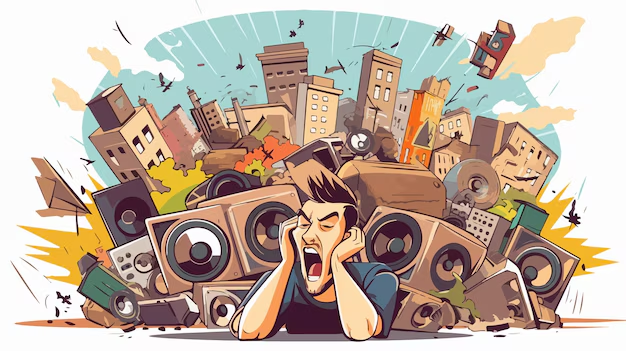
Noise pollution is the spread of excessive and disturbing noise in the surrounding human environment, which can negatively affect public health and quality of life. Noise pollution can lead to various health problems such as stress, anxiety, headaches, fatigue, depression, poor sleep, weakened immune function, and an increased risk of chronic diseases such as high blood pressure, cardiovascular diseases, and respiratory conditions.
Noise pollution also affects overall quality of life, including disturbing children during studying, relaxation, and recreation, reducing the sound quality of television and radio, and impacting social life and communication among individuals.

Identifying potential sources of noise, which may include both natural and human-made sources.

Collecting data related to potential noise sources and actual measurements.
Evaluating the predicted results of the model to determine the extent of noise impact on humans.
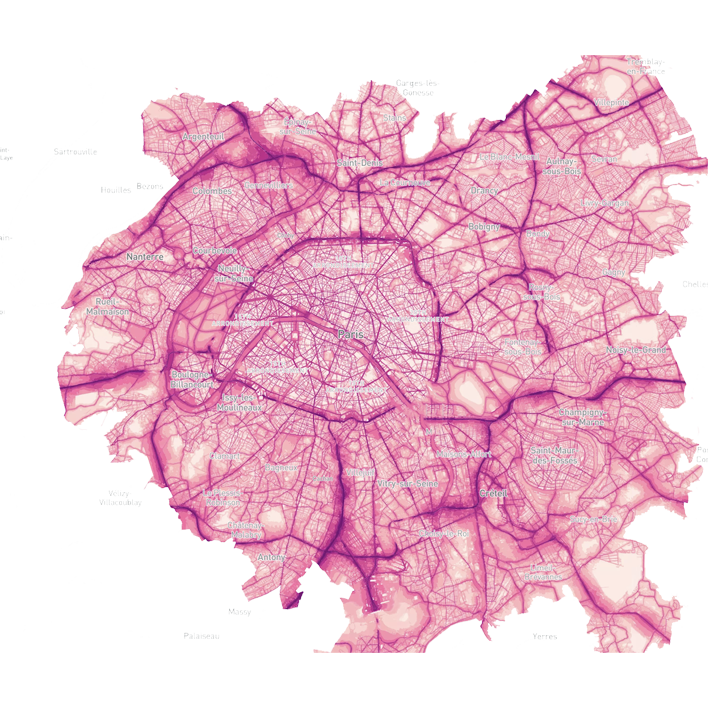
Noise pollution modeling can be used to identify noise sources and analyze their impact on the environment and public health.
Mathematical models can be used to assess the impact of noise on public health and obtain accurate data on the health risks associated with noise.
Noise pollution modeling can be used to design systems and buildings in a way that reduces noise and improves quality of life.
Modeling data can be used to improve public policies related to noise pollution control and enhance quality of life.
We utilize advanced and internationally recognized modeling software to ensure accurate analysis, reliable results, and full compliance with environmental standards and regulatory requirements.
Predictor-LimA is a specialized computer program designed for analyzing and predicting noise levels, such as those generated by road traffic. The software uses mathematical modeling techniques to assess noise levels and provide accurate estimates of expected sound levels. It can be used to analyze noise levels in order to reduce noise pollution.
The Aviation Environmental Design Tool (AEDT) is a computer program used to analyze, design, and assess the environmental impacts of air transportation. The program is primarily used by the U.S. Federal Aviation Administration (FAA) and the Environmental Protection Agency (EPA) to develop and evaluate environmental policies related to air transport.
Noise modeling is a technical process used to predict and analyze environmental noise levels from various sources such as traffic, industrial activities, and construction projects.
A noise impact assessment is required for projects that may generate significant noise, especially near residential, commercial, or sensitive areas.
Noise modeling requires data such as source characteristics, sound power levels, traffic volumes, terrain features, and meteorological conditions.
Modern noise models are internationally recognized and validated. Accuracy depends on the quality of input data and proper model configuration.
Noise modeling helps demonstrate compliance with environmental noise standards and supports mitigation planning to reduce impacts on communities.