Air pollutant modeling

  • Home
  • Air pollutant modeling

Air Pollution Dispersion Modeling Solutions

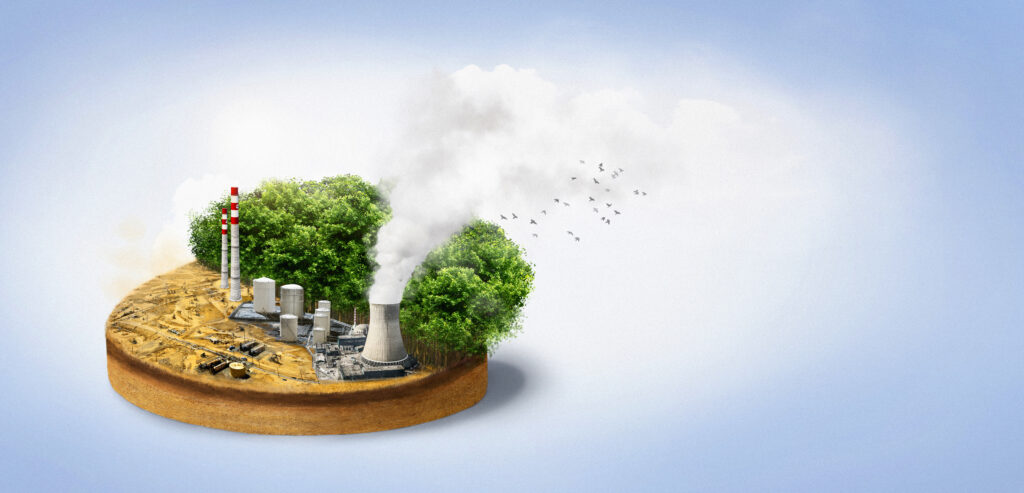
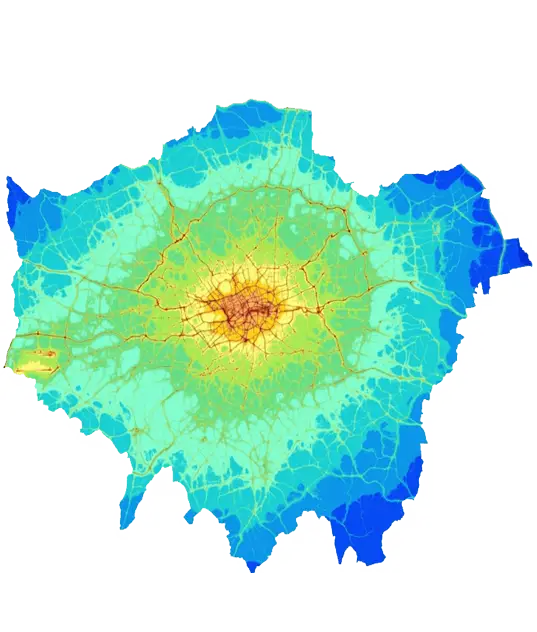
Air pollution dispersion modeling is a computational process used to estimate the distribution of air pollution within a specific area. These models rely on a set of information such as pollution sources, terrain, wind movement, and weather conditions. These models are used in many applications, including determining pollution levels, assessing the impact of different pollution sources, and identifying the best strategies to reduce pollution. They are also used in scientific research and within governments and official authorities to determine public policies related to the environment and public health.
Air Pollution Modeling Steps.

Air pollution modeling requires a number of different steps and procedures.

img

Identifying emission sources

Identifying potential sources of pollution, which may include both natural and anthropogenic sources.
img

Data Collection and Analysis

Collecting data related to potential pollution sources and actual pollutant measurements.

img

Modeling and Evaluation

Evaluating the predicted results of the model to determine the extent of pollutants’ impact on air quality and public health.
Benefits of Air Pollution Dispersion Modeling

01

Understanding Pollution Sources

Air pollution models help identify and quantify sources of pollution, such as industrial emissions. This information can be used to determine the sources of air pollution.

02

Air Quality Forecasting

Air pollution models help predict the concentration and distribution of pollutants in the air, allowing warnings and recommendations to be issued to the public and populations most vulnerable to exposure.

03

Evaluation of Control Plans

Air pollution models help evaluate the effectiveness of various strategies used to reduce air pollution, such as implementing emission reduction measures.

04

Public Health Protection

Air pollution models help estimate the health impacts of exposure to air pollution, allowing the development of strategies to protect public health and reduce the risk of disease.

BENEFIT

Modeling Software Used

We utilize advanced, internationally recognized software to conduct accurate and reliable modeling, supporting environmental studies, impact assessments, and compliance with applicable regulatory standards.

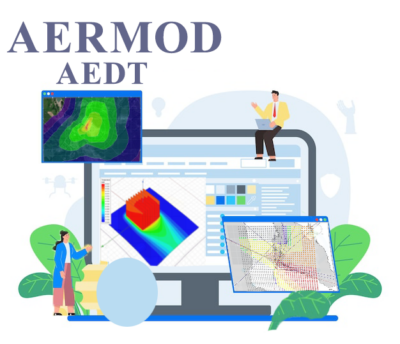
AERMOD

AERMOD View is used to create three-dimensional models of air flow and atmospheric emissions and to determine their environmental impacts. The program is used to analyze the effects of air emissions on public health and the environment, and to identify measures that can be taken to reduce air pollution and improve environmental efficiency.

AEDT

The Aviation Environmental Design Tool (AEDT) is a computer program used to analyze, design, and assess the environmental impacts of air transportation. The program is primarily used by the U.S. Federal Aviation Administration (FAA) and the Environmental Protection Agency (EPA) to develop and evaluate environmental policies related to air transport.

Air Dispersion Modeling (AERMOD)

95 %

Air Quality Monitoring & Analysis

92 %

Emission Source Assessment

78 %

Your frequently asked question

Air dispersion modeling is a scientific method used to predict how air pollutants spread in the atmosphere from industrial sources. It helps assess environmental and health impacts before project implementation.

AERMOD is required for environmental impact assessments (EIA), regulatory compliance, permitting processes, and evaluating emissions from industrial facilities, power plants, and infrastructure projects.

Air modeling typically requires: Emission source data Meteorological data Terrain and land-use information Stack parameters Background air quality levels

Modern dispersion models like AERMOD are internationally validated and widely accepted by environmental authorities. Accuracy depends on data quality and correct model configuration.

Air modeling ensures projects meet national and international environmental standards (e.g., EPA guidelines), helping avoid penalties and environmental risks.